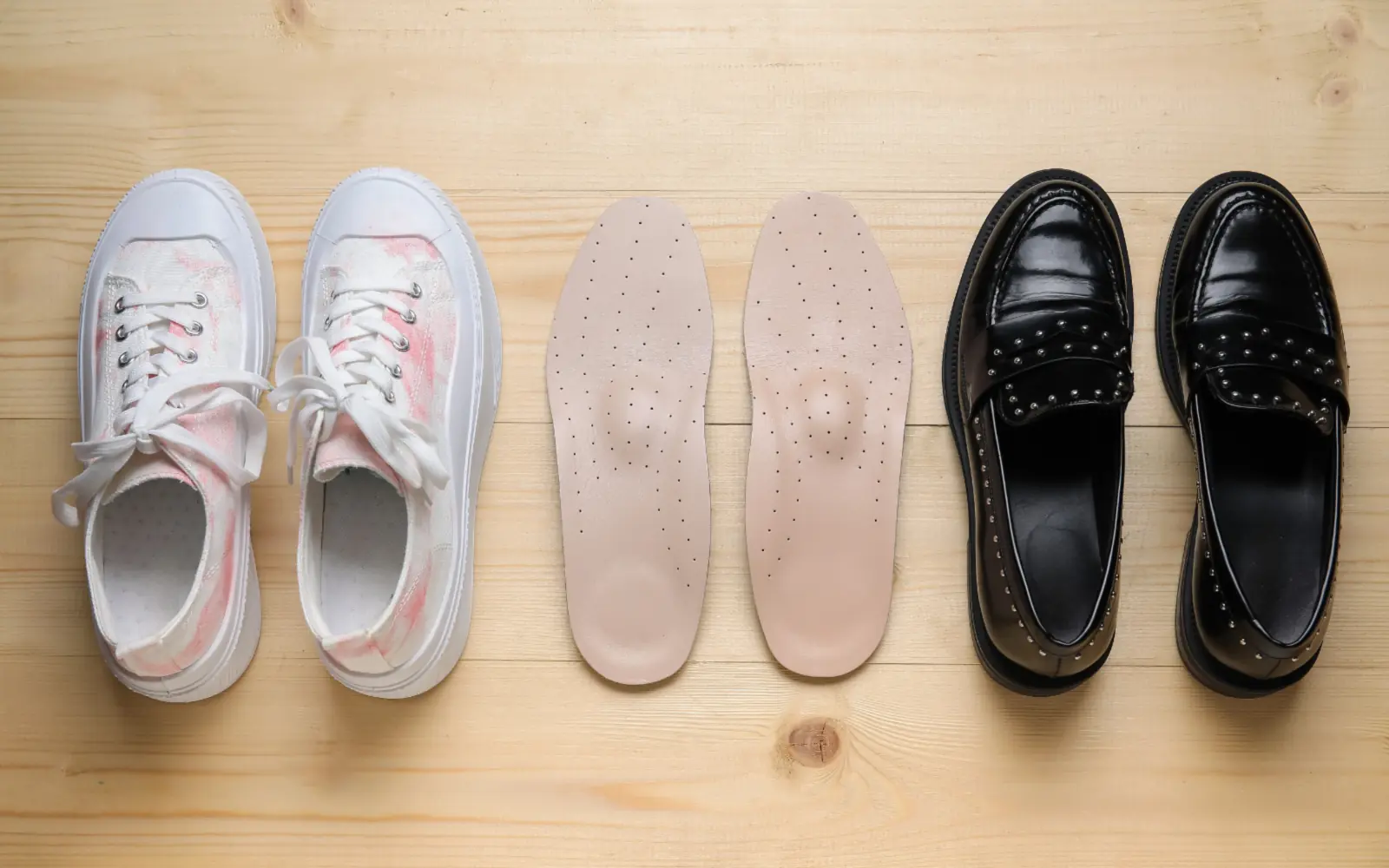
Shoes and insoles
Shoe and insole reviews for heel pain: every comparison in one place
Every shoe, sandal, slipper and insole guide on Heel Guide, sorted by what you are trying to decide: which brand, which model, or which product for your kind of heel pain. Each one is judged against the same clinical criteria by a foot and ankle surgeon.
Most shoe lists for heel pain rank shoes without saying what kind of heel pain they are ranking them for. That matters, because the shoe that suits pain under the heel can aggravate pain at the back of it. Every review here starts from the same four features — a stiff midfoot, a firm heel counter, some heel-to-toe drop and a rocker sole — and then says who each shoe suits and who should skip it.
How we choose: products are compared against the clinical criteria in the four features that matter, using published specifications and independent lab data; no brand pays for placement. Some links in these guides are affiliate links, so we may earn a commission at no cost to you (disclosure).
On this page
Start with your heel
If you only read one guide, read the one for where your heel hurts. It explains what the shoe has to do and names current models that do it.
- Best shoes for plantar fasciitis: the four features that matter
- Best shoes for heel pain, matched to where it hurts
- Best shoes for Achilles tendonitis
- Best shoes for heel spurs
Brand against brand
- Hoka vs Brooks for plantar fasciitis
- Brooks vs On Cloud for plantar fasciitis
- Hoka vs On Cloud for plantar fasciitis
- OOFOS vs Crocs (and Hoka recovery slides)
- PowerStep vs Superfeet insoles
Model against model
- Hoka Bondi vs Clifton
- Brooks Ghost vs Glycerin
- Brooks Ghost vs Adrenaline
- Brooks Glycerin vs Glycerin GTS
- New Balance 880 vs 860
Best shoes by brand
- The best Hoka for plantar fasciitis
- The best Brooks for plantar fasciitis
- The best On Cloud shoes for plantar fasciitis
- The best New Balance for plantar fasciitis
- The best ASICS for plantar fasciitis
- The best Saucony for plantar fasciitis
Is this shoe good for plantar fasciitis?
Short, honest verdicts on the shoes people ask about most, including the popular ones that are not a good idea for a sore heel.
- Are Birkenstocks good for plantar fasciitis?
- Are Crocs good for plantar fasciitis?
- Are OOFOS good for plantar fasciitis?
- Are Skechers good for plantar fasciitis?
- Are Hey Dudes good for plantar fasciitis?
By situation: walking, running, work, home
- Best walking shoes for plantar fasciitis
- Best running shoes for plantar fasciitis
- Best work shoes and work boots for plantar fasciitis
- Best dress shoes for plantar fasciitis
- Best sandals for plantar fasciitis
- Best flip-flops for plantar fasciitis
- Best slippers for plantar fasciitis
The shoe most people forget. Good trainers all day, then four hours barefoot on tile in the evening, is the most common reason morning heel pain does not improve. A supportive slipper or sandal by the bed is one of the cheapest changes that works.
Insoles, heel cups and other inserts
- Insoles for heel pain: which insert for which heel
- Insoles for plantar fasciitis: prefab vs custom
- Best heel cups
- Heel lifts for Achilles tendonitis
- Plantar fasciitis socks and compression sleeves
- Night splints and braces
When shoes are not the answer.
Pain that worsens through the day, or a heel that hurts when squeezed from the sides, can be a stress fracture and needs examining before you buy another pair.
Burning, numbness or tingling points at a nerve, not the fascia.
If you have diabetes or reduced feeling in your feet, have footwear fitted professionally. See when to worry about heel pain.
The shoe is only half the fix. Dr. Tom’s free 14-day plan from The Heel Pain Playbook adds the daily stretches and heel raises, in the order he gives them in clinic, with a tracker that shows by day 14 whether it is working. Get the free 14-day plan.
Heel pain in Michigan?
Dr. Biernacki sees heel pain at Balance Foot & Ankle in Howell and Bloomfield Township. If the right shoes have not settled it, an assessment can work out which tissue is responsible.
This page is education, not a diagnosis. Read our editorial policy for how it was written and what it will not claim.